




Recent News
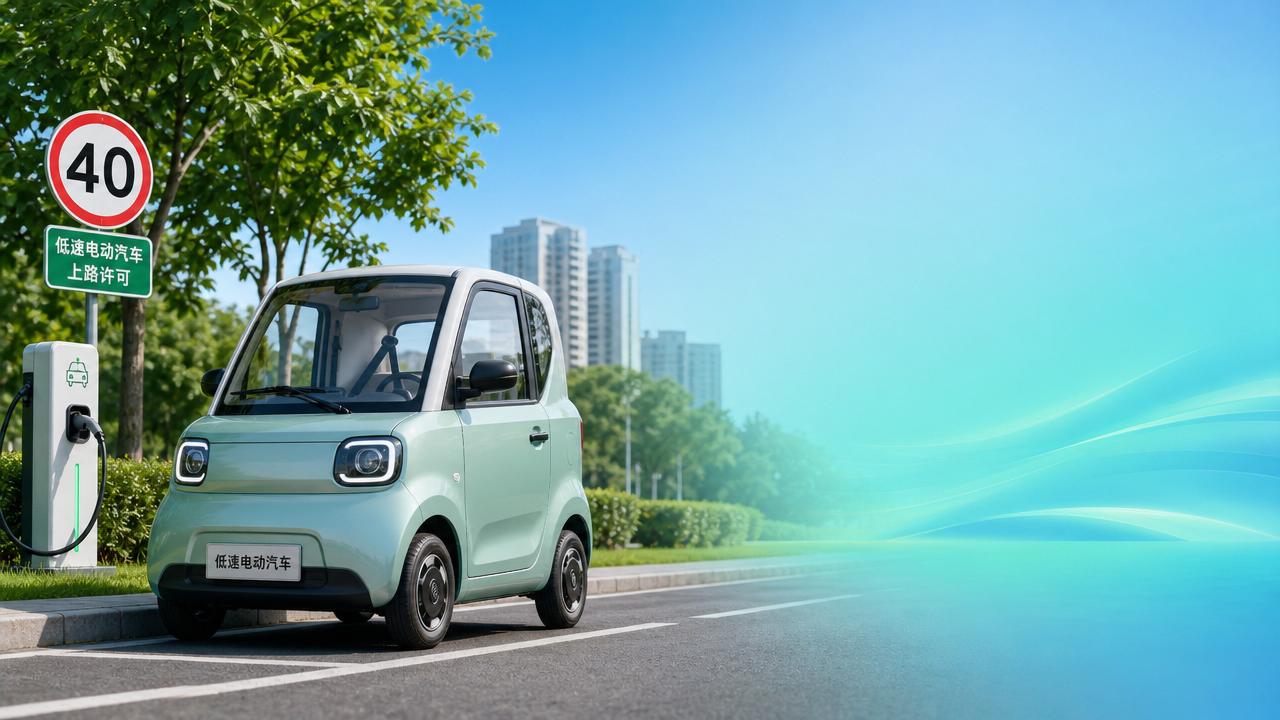
If you're wondering what type of license applies to a low-speed EV, understanding low speed electric vehicle license requirements is the first step. These vehicles often follow different rules than standard cars, and requirements can vary by state or region. Knowing the basics can help drivers stay compliant, avoid fines, and make smarter decisions before buying, registering, or driving a low-speed electric vehicle.
In most cases, a low-speed electric vehicle does not require a special license class, but the driver usually still needs a valid standard driver's license. The key issue is not only the license itself, but also whether the vehicle is legally classified as a low-speed vehicle, where it may be driven, and what registration, insurance, and safety rules apply.
What most drivers really want to know first
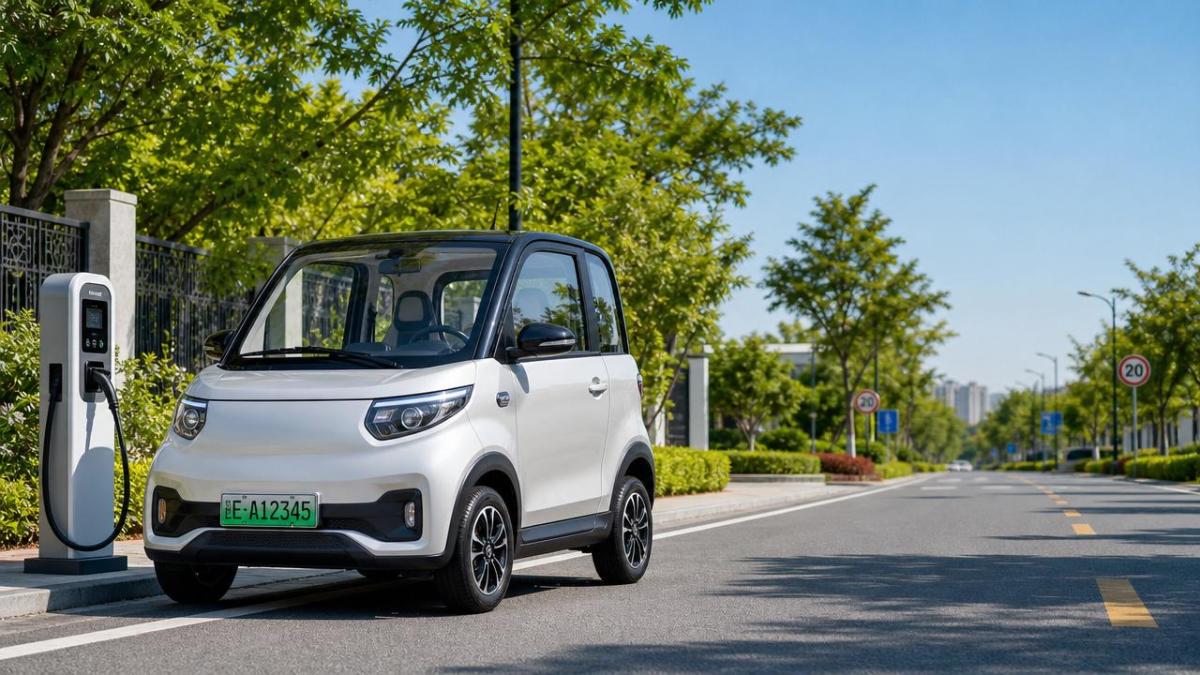
People searching this topic usually want a quick, practical answer: can I legally drive a low-speed EV with a normal license, or do I need something different? For many buyers, that question comes before price, battery range, or comfort.
The short answer is that many jurisdictions allow low-speed electric vehicles to be driven with a regular passenger vehicle license. However, that does not mean every low-speed EV is automatically road legal, and it does not mean every road is open to it.
This matters because a low-speed EV can look like a small car, golf cart, or neighborhood electric vehicle, yet each category may fall under different legal definitions. A buyer who assumes the rules are all the same can easily make an expensive mistake.
The most useful way to think about low speed electric vehicle license requirements is to separate four questions. What is the vehicle legally called, what speed is it designed for, where will it be driven, and what does local law require from the driver and owner?
What counts as a low-speed EV?
A low-speed EV is typically a small electric vehicle designed for short local trips rather than full highway travel. In many markets, these vehicles are limited to a modest top speed and are intended for neighborhoods, campuses, resorts, industrial areas, or urban short-distance use.
In the United States, the term low-speed vehicle often refers to a specific legal category with a top speed generally between 20 and 25 miles per hour. Other regions may use different labels, including neighborhood electric vehicle, microcar, or light electric vehicle.
This definition is important because the license question depends on classification. If the vehicle officially qualifies as a low-speed vehicle, it may follow one licensing framework. If it is treated as a golf cart, moped, quadricycle, or unregistered off-road vehicle, the rules may change significantly.
That is why buyers should never rely only on product marketing. A dealer may describe a vehicle as street-ready or license-free, but what matters is how the local transport authority classifies it after reviewing speed capability, lighting, safety equipment, and intended road use.
Do you need a driver's license to operate one?
For most road-approved low-speed EVs, yes, the driver usually needs a standard driver's license. In many places, there is no separate low-speed EV license category. Instead, the same ordinary license used for a passenger car is enough, provided the vehicle is operated within the permitted conditions.
That said, some local rules create exceptions for private property, gated communities, agricultural land, or certain resort areas. In those settings, an operator may not need the same license required on public roads. The moment the vehicle enters a public street, the legal expectation often changes.
Age restrictions also matter. Even where a special license is not required, minimum driver age rules may still apply. Parents sometimes assume a low-speed EV is suitable for teenagers because it feels safer or slower than a car, but local law may still require a licensed driver.
If you are buying for family use, fleet use, or employee transport, this is one of the first points to verify. A valid driver's license requirement can affect staffing, liability, training, and insurance exposure, especially for businesses using multiple vehicles across different sites.
Why the license question is only part of the compliance picture
Many readers focus only on the driver's license because it seems like the biggest legal hurdle. In reality, low speed electric vehicle license requirements are only one part of a broader compliance checklist that determines whether the vehicle can be used as planned.
Registration is often required when the vehicle is used on public roads. In many areas, road-approved low-speed EVs must be titled, registered, and display a plate just like other motor vehicles, even if they are limited to lower speeds.
Insurance can be another requirement. Some owners are surprised to learn that even a compact neighborhood EV may need liability coverage before it can be legally driven on public streets. This can affect total ownership cost more than the license issue itself.
Safety equipment is also critical. A compliant low-speed vehicle may need headlights, brake lights, turn signals, mirrors, seat belts, a windshield, reflectors, and a vehicle identification number. If any of these are missing, a normal driver's license will not make the vehicle legal for road use.
Where can a low-speed EV be driven legally?
This is often the deciding factor for buyers. Even if a standard license applies, a low-speed EV is usually restricted to roads with posted speed limits below a certain threshold. In many U.S. jurisdictions, that means streets posted at 35 miles per hour or less.
Some local governments allow crossings on higher-speed roads at designated intersections, while others impose stricter limitations. A vehicle that works perfectly for neighborhood trips may be impractical if the route to shops, work, or school requires travel on roads where it is not permitted.
That is why route planning should happen before purchase. A low-speed EV may appear to match your transportation needs, but legal access can be narrower than expected. The vehicle is only useful if your real daily routes are compatible with local road rules.
For businesses, this issue is even more important. A hospitality property, industrial campus, municipality, or residential development may find low-speed EVs highly efficient inside a controlled area, yet far less useful when vehicles must regularly connect with public traffic corridors.
How rules differ by state, region, and vehicle type
The biggest source of confusion is that there is no universal rulebook covering every low-speed EV. Laws differ by country, state, province, and even municipality. Two buyers using nearly identical vehicles may face different licensing outcomes depending on where they live.
In one state, a neighborhood electric vehicle may require standard registration, insurance, and a licensed driver. In another, a similar model may face different operating limits, equipment rules, or local access restrictions. Municipal ordinances can add another layer of complexity.
Vehicle design can also shift the legal treatment. A fully enclosed low-speed EV with automotive lighting and certification may be treated differently from an open cart-style vehicle with similar speed capability. The practical result is that appearance does not reliably predict legal status.
Because of this, the best answer to the title question is not a single license label. The most accurate answer is that a regular driver's license often applies, but only after confirming the vehicle's classification and the local laws governing operation, registration, and road access.
Questions to ask before buying a low-speed electric vehicle
If you are considering a purchase, start with the use case rather than the product brochure. Ask where the vehicle will actually be driven, who will drive it, how far typical trips are, and whether public roads are involved at all.
Then ask the seller for formal compliance details, not just marketing claims. Request documentation on vehicle classification, top speed, VIN availability, required safety equipment, and whether the model is approved for public road registration in your area.
You should also contact the local department of motor vehicles, transport authority, or equivalent licensing office. Confirm the exact low speed electric vehicle license requirements, age limits, registration obligations, insurance expectations, and roadway restrictions before committing to the purchase.
If the vehicle is for business use, involve your insurance provider and operations team early. A low-speed EV may offer savings in fuel and maintenance, but those benefits only matter if the vehicle fits legal and operational realities without creating compliance risk.
Common mistakes that lead to fines or disappointment
One common mistake is confusing a golf cart with a road-legal low-speed vehicle. Some sellers and buyers use these terms loosely, but regulators often do not. A golf cart upgraded with accessories may still fail to meet the legal standard for public road use.
Another mistake is assuming that a slow vehicle is exempt from licensing because it feels less risky than a full-size car. In many jurisdictions, once the vehicle operates on public roads, a valid driver's license is still required, even if no special class is needed.
Buyers also underestimate local route limitations. A vehicle can be fully legal and still unsuitable for daily use if nearby roads exceed the allowed speed limit. This turns an apparently practical purchase into a vehicle that can only be used in a very narrow area.
Finally, some owners overlook paperwork after purchase. Missing registration, incorrect insurance, or incomplete equipment compliance can lead to fines, impoundment, or denied coverage after an accident. The administrative side matters almost as much as the vehicle itself.
How to make a confident decision
If your goal is simple neighborhood mobility, a low-speed EV can be an excellent solution. It can reduce fuel costs, simplify short trips, lower noise, and support cleaner local transportation. For the right environment, it offers real convenience and practical value.
But the decision only works when legal fit matches daily use. The right question is not just what type of license applies, but whether the vehicle can be lawfully and conveniently used in the places that matter to you most.
A good buying process is straightforward. Verify the legal classification, confirm driver licensing rules, check route compatibility, review registration and insurance obligations, and make sure the vehicle includes required safety equipment. That process prevents most avoidable problems.
For commercial users, the same logic applies at a larger scale. Standardized driver eligibility, local road access, insurance coordination, and vehicle compliance documentation should all be reviewed before any fleet decision is made.
Conclusion
So, what type of license applies to a low-speed EV? In many cases, the answer is a standard driver's license, not a special one. However, that answer is only reliable when the vehicle is correctly classified and used under the local rules that govern low-speed vehicle operation.
The most important takeaway is that low speed electric vehicle license requirements are closely tied to registration, insurance, safety equipment, and road access. Buyers who verify all of these points early are far more likely to choose a vehicle that is both legal and useful.
Before you buy or drive, check your local transport authority's current rules and confirm the vehicle's official status. That small step can save time, money, and frustration, while helping you use a low-speed EV with confidence and clarity.
Leave A Message
If you are interested in our products and want to know more details, please leave a message here, we will reply you as soon as we can.