




Recent News
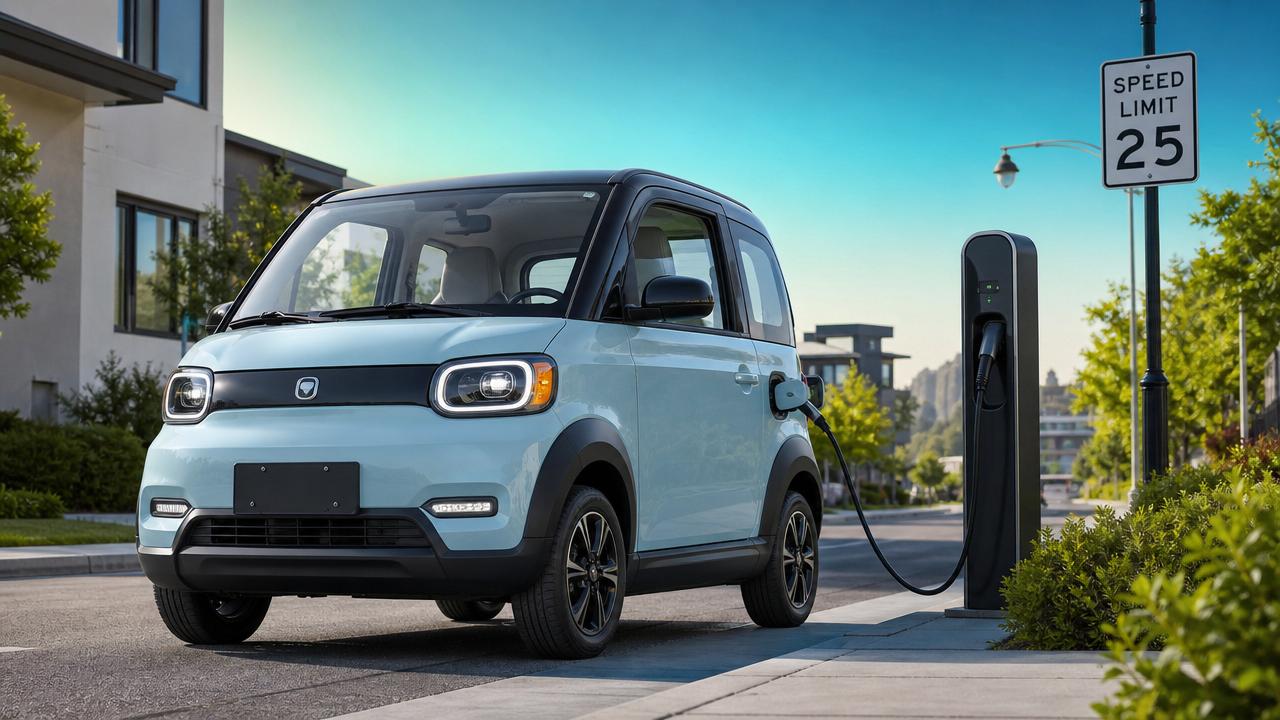
If you’re wondering whether the rules for driving a low-speed EV change from one state to another, the answer is yes. Understanding low speed electric vehicle license requirements is essential before you register, insure, or drive on public roads. State laws can differ on licensing, age limits, equipment standards, and where these vehicles are legally allowed, so knowing the basics can help you avoid costly mistakes.
What do low speed electric vehicle license requirements usually include?
A low-speed EV is typically a four-wheeled electric vehicle designed for short-distance travel at limited speeds, often around 20 to 25 mph. In many states, it falls into a category similar to a Neighborhood Electric Vehicle, but the exact legal label can vary.
That variation is why low speed electric vehicle license requirements are not one-size-fits-all. Some states treat these vehicles much like standard motor vehicles for registration and operator licensing, while others create narrower rules tied to speed capability, roadway access, and equipment.
Key compliance points drivers and buyers should review
- Driver license status: Many states require a valid driver’s license to operate a low-speed EV on public roads, even when the vehicle is compact and used locally.
- Vehicle registration: A title, registration plate, or local permit may be required before road use.
- Insurance rules: Liability coverage is often required if the vehicle is operated on public streets.
- Safety equipment: Headlamps, turn signals, mirrors, seat belts, reflectors, windshields, and parking brakes are common legal checkpoints.
- Road limitations: Even if legal to own, a low-speed EV may only be allowed on roads with posted speed limits at or below a state-defined threshold.
For buyers in the new energy sector, the biggest mistake is assuming a vehicle that works in one community will automatically be road-legal in another. Legal use depends not only on product design, but also on state statute, city enforcement, and registration practice.
Why do state rules differ so much?
State agencies regulate road safety, vehicle classification, and licensing in different ways. Federal rules may define a baseline for low-speed vehicle construction, but states control who can drive, where the vehicle can travel, and what paperwork is needed after purchase.
This matters in the新能源 market because low-speed EV adoption is growing in gated communities, campuses, resorts, industrial parks, and urban last-mile travel. As more users shift from gas-powered carts to battery electric platforms, compliance becomes part of the purchase decision, not an afterthought.
Common reasons for state-by-state differences
- Different legal definitions for low-speed vehicles, golf carts, microcars, or utility EVs.
- Different public road conditions, especially urban traffic density and posted speed limits.
- Different policy goals around electrification, local mobility, and community transportation.
- Different enforcement practices between state DMV systems and local jurisdictions.
In practice, this means a buyer should compare the vehicle’s technical specification sheet with the target state’s licensing and equipment rules before ordering. That step is especially important for dealers, fleet operators, property managers, and institutional purchasers managing multiple sites.
Which state-level factors most affect licensing and registration?
The following table summarizes the state-level decision points that most often shape low speed electric vehicle license requirements. It can help buyers identify what to verify before purchase, delivery, or local deployment.
The table shows why low speed electric vehicle license requirements should be checked alongside route planning and intended use. A vehicle may be technically legal but still impractical if local roads exceed the speed threshold needed for safe access.
How do low-speed EVs compare with golf carts and standard EVs?
Many buyers confuse low-speed EVs with golf carts. That confusion often leads to registration issues, rejected insurance applications, or expensive upgrades after delivery. In the new energy market, product category matters because each class carries different compliance expectations.
The comparison below helps clarify where low speed electric vehicle license requirements usually become stricter than golf cart rules, but lighter than standard passenger vehicle rules.
For procurement teams, the lesson is simple: do not buy based on appearance alone. Ask whether the vehicle is designed and documented for legal on-road use in the destination state, and whether the supplier can support compliance review before shipment.
What should buyers check before purchasing a low-speed EV?
Low speed electric vehicle license requirements affect more than driving permission. They influence delivery planning, fleet onboarding, insurance setup, maintenance configuration, and total cost. A smart buying process starts with legal fit, then moves to technical and commercial fit.
Pre-purchase checklist for individuals and fleet buyers
- Confirm the destination state’s legal category for low-speed electric vehicles and whether local city rules add extra limits.
- Review the vehicle’s speed rating, VIN documentation, and equipment list to make sure it matches registration requirements.
- Check whether operators need a full driver’s license, a minimum age, or special local permission.
- Ask insurers whether the model can be covered for public-road use in your state.
- Map the actual roads the vehicle will use, including posted speed limits, crossings, and access restrictions.
- Clarify battery type, charging method, and maintenance needs so operational convenience matches compliance goals.
This approach is especially valuable for property developers, campuses, hospitality operators, and municipalities. They often need multiple units, fast deployment, and predictable compliance. A small documentation gap can delay an entire fleet rollout.
What hidden costs appear when compliance is ignored?
Buyers sometimes focus only on purchase price and battery range. But low speed electric vehicle license requirements can create hidden costs if the product is not aligned with local rules from the start. These costs are common in the new energy transition, especially when replacing gas carts or introducing EVs into mixed-use environments.
Typical cost risks
- Retrofitting safety components such as mirrors, lights, seat belts, or windshields after delivery.
- Administrative delays caused by missing VIN data, incomplete titles, or unclear classification paperwork.
- Insurance premium changes if the vehicle is recategorized for public-road use.
- Operational inefficiency if the vehicle cannot use key route segments because posted speed limits are too high.
- Replacement or resale loss if the original unit cannot be legalized in the target area.
In many cases, a slightly higher upfront specification saves money later. A road-ready low-speed EV with correct documentation may cost more initially than a basic community cart, but it reduces registration risk and improves deployment speed.
How can suppliers support compliance and smoother deployment?
In the新能源 sector, buyers increasingly expect suppliers to do more than ship hardware. They want practical guidance on low speed electric vehicle license requirements, destination matching, and configuration choices that reduce post-sale friction.
What strong supplier support should include
- A clear specification sheet covering speed class, safety equipment, battery system, charging method, and intended operating environment.
- Pre-sales review of use case, state location, route type, and driver profile before recommending a model.
- Document support for registration preparation, including manufacturing information and vehicle identifiers where applicable.
- Configuration guidance for weather protection, lighting packages, cargo modules, or passenger seating based on actual deployment needs.
- Delivery planning that considers lead time, assembly state, battery shipping requirements, and sample evaluation if needed.
This kind of support helps buyers move from product interest to real-world implementation. It also reduces the gap between legal compliance and operational usefulness, which is often where low-speed EV projects succeed or fail.
FAQ about low speed electric vehicle license requirements
Do all states require a driver’s license for a low-speed EV?
No, not all states apply identical rules, but many do require a valid driver’s license when the vehicle is operated on public roads. Some local jurisdictions may also set minimum age rules or limit operation to certain road types. Always check both state and local requirements before use.
Can I drive a low-speed EV anywhere if it is registered?
Usually not. Registration does not automatically allow use on every road. Low speed electric vehicle license requirements often work together with roadway limits, meaning the vehicle may be restricted to streets with lower posted speed limits and specific crossing rules.
Is a golf cart the same as a low-speed EV for licensing purposes?
Often no. A golf cart and a low-speed EV may look similar, but they are commonly treated differently in law. A road-capable low-speed EV usually needs more safety equipment and formal registration support than a basic golf cart intended for private property use.
What documents should I ask for before ordering?
Ask for the technical specification sheet, information on vehicle identification, equipment list, battery details, and any documents commonly used to support registration in the target market. These materials help you evaluate whether the vehicle can satisfy local low speed electric vehicle license requirements.
Why choose us for low-speed EV selection and compliance planning?
Choosing a low-speed EV is no longer just about electrification. It is about matching vehicle design, road access, operator needs, and compliance expectations from the start. That is where a professional, application-focused approach adds value.
We support buyers with practical guidance on low speed electric vehicle license requirements, model selection, and deployment planning for community mobility, commercial property use, resort transport, campus fleets, and other new energy applications.
- Need help confirming whether a model fits your state’s road-use expectations? We can review your operating scenario and configuration needs.
- Need product selection advice? We can discuss passenger capacity, cargo use, route limits, battery options, and charging conditions.
- Need delivery or project planning support? We can help you evaluate lead time, sample arrangements, and documentation preparation.
- Need a tailored solution? We can discuss equipment configuration, weather accessories, seating layouts, and application-based customization.
If you are comparing models, planning a fleet purchase, or checking low speed electric vehicle license requirements before ordering, contact us for parameter confirmation, selection support, certification-related questions, sample planning, and quotation discussion based on your target state and use case.
Leave A Message
If you are interested in our products and want to know more details, please leave a message here, we will reply you as soon as we can.