




Recent News
Wondering whether you can legally operate a low-speed EV without a driver’s license? Understanding low speed electric vehicle license requirements is essential before hitting the road, as rules can vary by state, vehicle classification, and intended use. This guide explains the key legal factors, common exceptions, and what drivers should know to stay compliant and avoid unnecessary fines or restrictions.
What counts as a low-speed electric vehicle, and why does classification matter?
The first issue is not the driver. It is the vehicle category. In the new energy sector, a low-speed electric vehicle may refer to a neighborhood electric vehicle, a street-legal LSV, a private-use mobility cart, or an off-road utility EV. Each category can trigger different low speed electric vehicle license requirements.
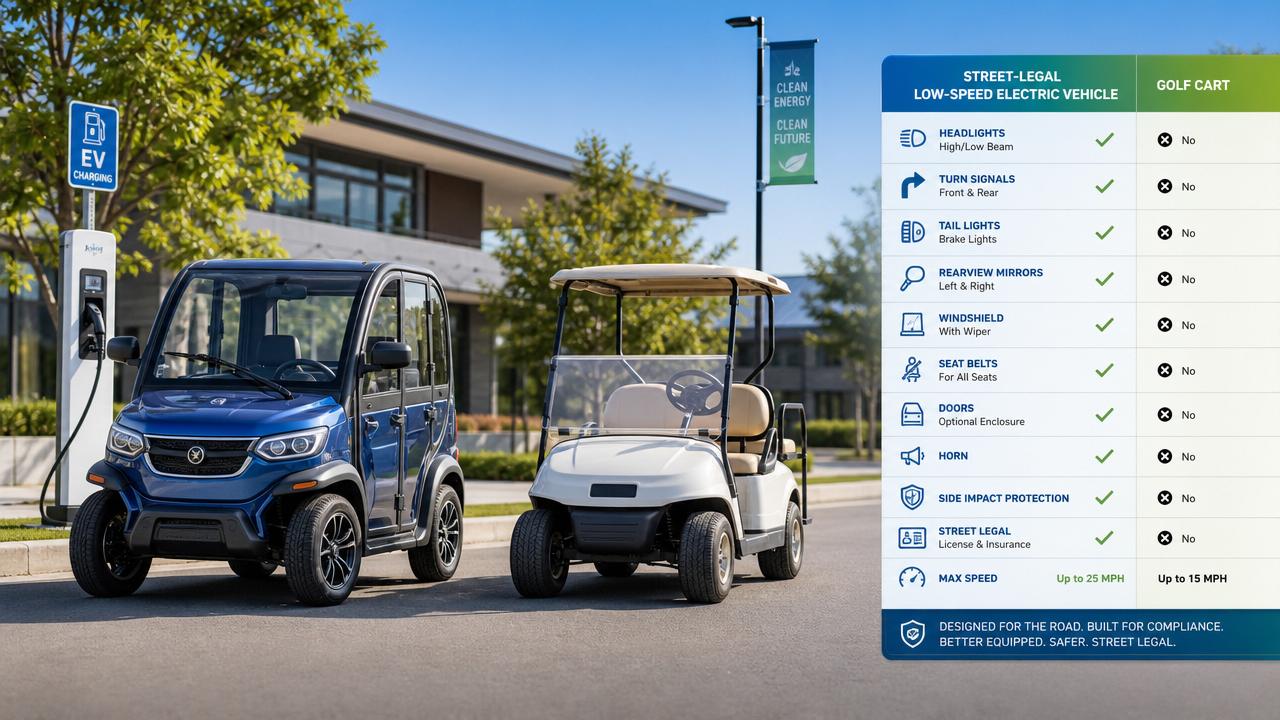
In many U.S. jurisdictions, a low-speed vehicle is defined by a limited top speed, often around 20 to 25 mph, and by required road-use equipment such as lights, mirrors, seat belts, a windshield, and a vehicle identification framework. If a vehicle does not meet on-road standards, it may be restricted to private property or closed communities.
This distinction matters because people often assume that smaller electric vehicles can be driven freely without licensing rules. That is not always true. A battery-powered vehicle may be quiet, compact, and energy efficient, yet still be treated as a motor vehicle under state law.
Common classifications buyers and operators should verify
- Street-legal low-speed vehicles used on public roads with posted speed limits that meet local rules.
- Golf carts that may only be allowed on private property or limited local roads under special ordinances.
- Off-road electric utility vehicles designed for farms, campuses, resorts, or industrial sites rather than public traffic lanes.
- Personal mobility devices that fall into a different regulatory category than low-speed electric vehicles.
For procurement teams, fleet operators, and community managers, classification errors create avoidable costs. A vehicle purchased for public-road use may later require upgrades, registration work, or replacement if it was originally specified for off-road use only.
Can you drive one without a license? The short answer depends on where and how you use it
In most cases, if the low-speed electric vehicle is operated on public roads as a recognized motor vehicle, the driver is usually expected to hold a valid driver’s license or at least meet a local licensing standard. That is why low speed electric vehicle license requirements should be checked before purchase, registration, and deployment.
Some exceptions may exist. Certain private communities, resort properties, industrial facilities, agricultural land, or campus environments may allow operation without a standard road license because the vehicle is not being used in ordinary public traffic. Even then, internal rules, insurance conditions, and operator training may still apply.
Age restrictions, registration obligations, and road-access limitations also differ by state. A driver who does not need a motorcycle endorsement may still need a standard driver’s license. Another state may require registration and insurance but limit the vehicle to roads with lower posted speed limits.
Typical legal factors that affect license requirements
- Whether the vehicle is classified as a low-speed vehicle, a golf cart, or an off-road EV.
- Whether operation takes place on public roads, private property, gated communities, or work sites.
- Whether local law requires registration, insurance, lighting equipment, and safety features.
- The age of the operator and any municipal ordinances that add stricter local conditions.
The practical takeaway is simple: do not assume that low speed means no license. The operating environment is often more important than the battery system or the vehicle’s appearance.
Low speed electric vehicle license requirements by use scenario
The table below helps clarify how low speed electric vehicle license requirements often change by application scenario. Actual rules vary by jurisdiction, but this comparison supports early planning for buyers in the new energy mobility market.
This comparison shows why operators should evaluate use cases before selecting a vehicle. In the new energy industry, compliance starts with scenario matching, not just with battery range or price.
Why buyers often get confused between golf carts, LSVs, and off-road EVs
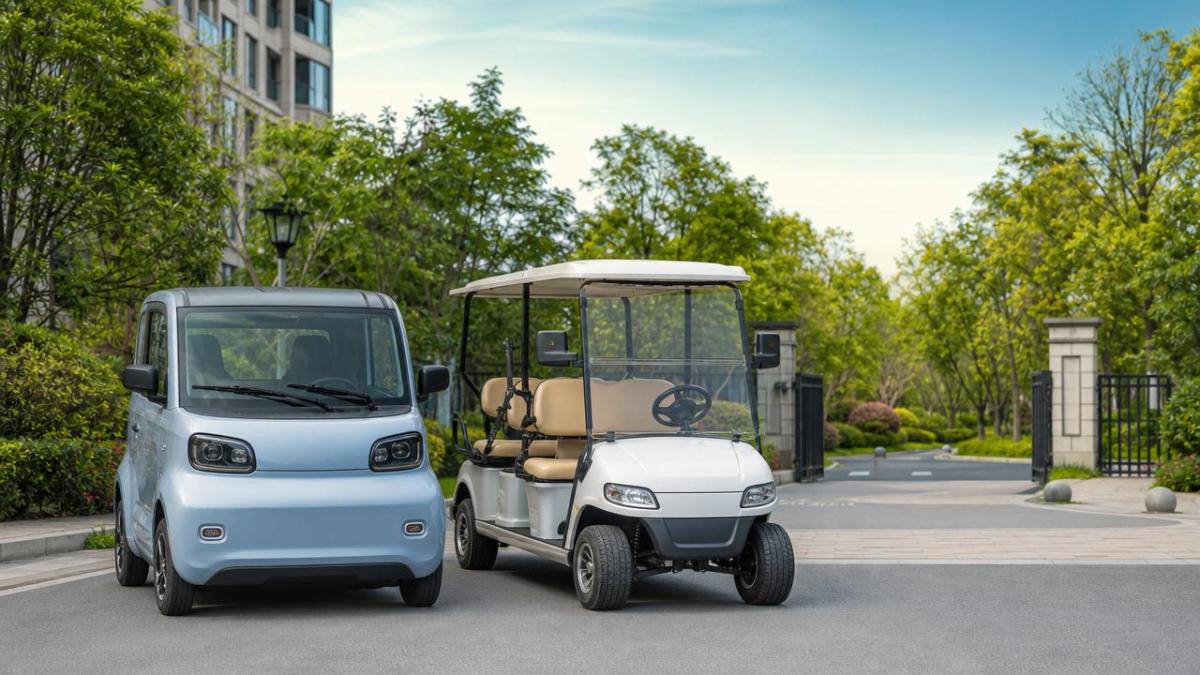
Confusion usually comes from overlapping designs. Many low-speed electric models look similar from the outside, but legal treatment differs sharply. A golf cart with basic seating and limited safety equipment may be fine on a course, but not on a public street. A true LSV is generally built for a broader compliance target.
This matters for distributors, property developers, municipal projects, and B2B procurement teams. If the initial product brief is vague, a buyer may compare vehicles only on battery chemistry, seating capacity, or unit cost, while missing the legal category that determines road access and license needs.
What should be checked before purchase
- Maximum speed rating and whether it matches local LSV definitions.
- Installed road-safety components such as lamps, reflectors, horn, mirrors, and seat belts.
- Battery type, charging method, and service support for commercial or community use.
- Whether the supplier can explain applicable low speed electric vehicle license requirements for the intended market.
A strong supplier should help translate application needs into legal and technical specifications. That reduces rework, shipment delays, and post-delivery disputes over vehicle suitability.
Comparison table: vehicle type, road access, and likely licensing impact
For buyers comparing different electric mobility options, the table below summarizes the relationship between vehicle type and low speed electric vehicle license requirements.
This side-by-side view helps prevent a common purchasing mistake: choosing the cheapest electric platform first and asking legal questions later. In regulated road-use scenarios, that sequence often increases cost instead of reducing it.
How to evaluate compliance before ordering a low-speed EV fleet
For commercial buyers, the real challenge is not only whether one person can drive without a license. The bigger issue is whether a fleet can be deployed without legal interruptions. New energy projects in campuses, tourist areas, communities, and industrial parks require a structured review.
A practical pre-purchase checklist
- Define the operating map. List every road, lane, parking zone, and restricted area where the vehicle will move.
- Confirm the local legal category. Check state law, county rules, and city ordinances before final specification.
- Match technical configuration to legal use. Do not assume optional kits automatically create compliance.
- Review driver policy. Decide whether only licensed staff may operate the vehicle or whether internal-use exemptions are available.
- Verify after-sales support. Battery servicing, spare parts, and charging guidance affect safe long-term operation.
This approach is especially useful when buyers face budget pressure, urgent delivery schedules, or mixed-use environments. A well-planned specification reduces compliance risk and improves total lifecycle value.
Cost, risk, and alternatives: what happens if you choose the wrong category?
Misjudging low speed electric vehicle license requirements can create hidden costs. These are not limited to tickets or registration delays. Operators may need retrofits, restricted route planning, staff retraining, additional insurance review, or even replacement of non-compliant units.
In some cases, a slightly more expensive street-legal low-speed EV is the better long-term choice because it supports broader usage. In other cases, an off-road electric vehicle is more cost-effective if the operating zone is fully private and does not require public-road access.
Decision signals that point to a better alternative
- Choose a road-capable LSV if routes include neighborhood streets or municipal lanes.
- Choose a private-site utility EV if operation stays inside factories, farms, or closed campuses.
- Choose a mobility-specific platform if the main use is short-range personal transport rather than cargo or multi-passenger movement.
The right choice depends on route legality, operator profile, and maintenance needs, not just on purchase price. That is where experienced application guidance adds value in the new energy vehicle market.
FAQ: practical answers about low speed electric vehicle license requirements
Do all low-speed electric vehicles require a driver’s license?
No. The answer depends on classification and use environment. If the vehicle is treated as a street-legal low-speed motor vehicle and operated on public roads, a driver’s license is commonly required. If it is used only on private property, internal site rules may apply instead.
Are golf carts and low-speed electric vehicles legally the same?
Not necessarily. Some golf carts can be modified or categorized for limited road use, but many remain distinct from compliant LSVs. Buyers should verify speed capability, safety equipment, and local legal treatment before assuming the same licensing rules apply.
Can teenagers drive a low-speed EV without a full license?
Sometimes local rules create special age-based exceptions, but these are highly jurisdiction-specific. In many places, public-road operation still requires a valid license or permit. Private property use may be more flexible, but liability and insurance concerns remain important.
What documents should a buyer request from a supplier?
Ask for technical specifications, speed data, equipment lists, battery details, and any available compliance information relevant to the target market. A responsible supplier should also discuss intended use scenarios, route conditions, and likely low speed electric vehicle license requirements before finalizing the model.
What is the safest way to stay compliant?
Confirm local legal rules first, then match them to vehicle category and operating policy. This includes driver eligibility, road access, registration, charging safety, and maintenance planning. Compliance works best when legal review and technical selection happen together.
Why choose us for low-speed EV selection and compliance planning?
If you are comparing low-speed EV options for community transport, commercial fleets, resorts, campuses, or industrial sites, early guidance can save time and prevent specification mistakes. We can help you review application scenarios, clarify low speed electric vehicle license requirements, and align the vehicle type with real operating conditions.
You can contact us for practical support on parameter confirmation, model selection, battery and charging configuration, delivery planning, route-based compliance questions, customization options, sample evaluation, and quotation discussions. If your project involves mixed public and private use, we can also help structure the key decision points before procurement begins.
A better low-speed EV decision is not only about range or price. It is about choosing a vehicle that fits your legal environment, operating workload, and long-term service plan. Reach out with your use case, and we can help you narrow the right solution faster.
Leave A Message
If you are interested in our products and want to know more details, please leave a message here, we will reply you as soon as we can.