




Recent News
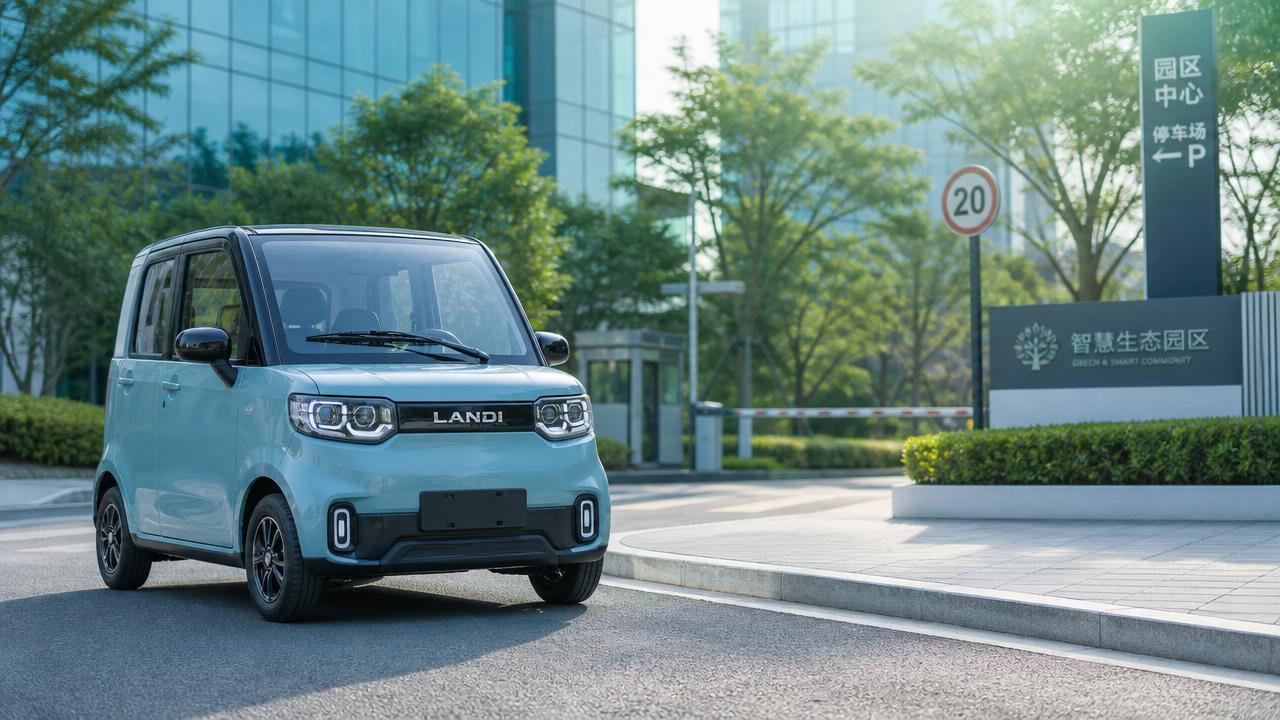
Confused about whether you need a license to drive a low-speed EV? Understanding low speed electric vehicle license requirements is essential before taking one on public roads. Rules can vary by state, vehicle type, and intended use, making it easy for buyers and operators to overlook key legal details. This guide will help you quickly understand the main requirements, avoid costly mistakes, and make smarter decisions in the growing new energy vehicle market.
For fleet buyers, campus operators, municipalities, and distributors in the new energy sector, licensing is not a minor paperwork issue. It directly affects where a vehicle can be used, whether it needs registration, what safety equipment must be installed, and how quickly a project can move from procurement to operation.
A low-speed electric vehicle may look simple, but compliance is rarely one-size-fits-all. In many cases, the answer depends on 3 factors: top speed, vehicle classification, and road environment. A vehicle used inside a private industrial park may face very different rules from one operated on public streets with a posted speed limit of 35 mph.
What Counts as a Low-Speed Electric Vehicle?
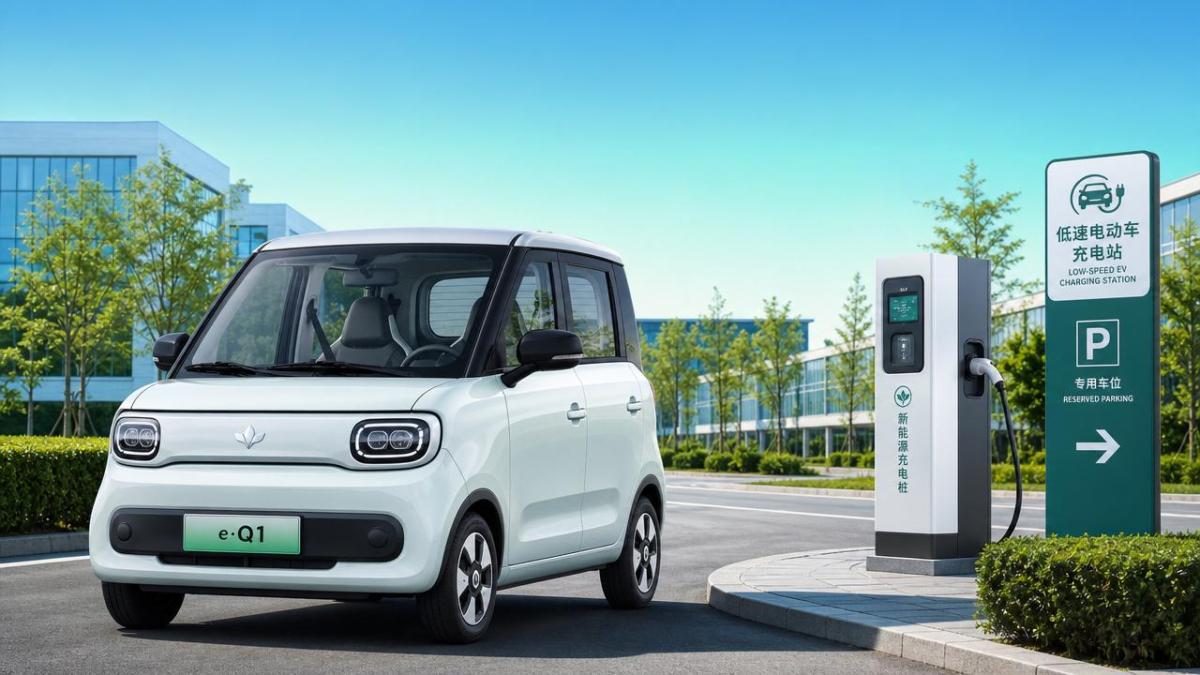
Before reviewing low speed electric vehicle license requirements, it helps to define the vehicle itself. In the U.S. market, a low-speed vehicle, often called an LSV, usually refers to a 4-wheeled vehicle designed for short-distance travel with a top speed commonly in the 20 to 25 mph range.
That definition matters because a neighborhood electric vehicle, golf cart, electric utility cart, and compact urban EV are not always treated the same under state law. In procurement and compliance planning, the wrong category can lead to registration delays, insurance issues, or restricted road access after delivery.
Key vehicle categories buyers should separate
Many organizations assume all small electric vehicles are regulated alike. In practice, there are at least 4 common categories that create different legal obligations. Buyers should confirm classification before signing a purchase order, especially for fleet volumes above 10 units.
- LSV: Usually road-eligible under defined conditions and often subject to licensing and registration rules.
- Golf cart: Often limited to private property or local roads with special municipal permission.
- Utility EV: Frequently used in campuses, resorts, airports, or industrial sites with site-specific policies.
- Mini EV or microcar: May fall into a different regulatory class depending on speed, weight, and equipment.
The table below shows why classification matters when evaluating low speed electric vehicle license requirements across common new energy vehicle use cases.
The key takeaway is simple: the label used by a seller is not enough. A buyer should compare stated classification, maximum speed, VIN status, and intended route conditions before making any compliance decision.
Why this matters in the new energy market
As low-carbon transport expands into campuses, logistics parks, tourism zones, and municipal short-route mobility, the demand for low-speed EVs is growing. Yet legal use still depends on road rules, not just battery power or zero-emission positioning. A compliant electric fleet can shorten deployment time by 2 to 6 weeks compared with a fleet that needs post-delivery modifications.
Do You Need a Driver’s License to Operate One?
In many public-road scenarios, yes, a driver’s license is required. That is the most practical answer to the question behind low speed electric vehicle license requirements. If the vehicle is classified as an LSV and operated on public streets, most jurisdictions expect the driver to hold a valid license, even if the vehicle is limited to 25 mph.
However, there are exceptions. If the vehicle is used only on private property, within a closed facility, or under a local exemption program, the rules may be lighter. This is why fleet managers should verify requirements at both state and local levels, not just rely on general industry assumptions.
Three factors that usually determine license requirements
- Whether the vehicle operates on public roads or only on private land.
- Whether it is legally classified as an LSV, golf cart, or another electric vehicle type.
- Whether the route includes roads with posted speed limits above 35 mph or local access restrictions.
For example, a resort may use 30 electric carts inside gated property with no state driver’s license check for each operator. The same vehicles could become noncompliant the moment they enter a public crossing or shared municipal lane. Operational boundaries must be documented during project planning.
License requirement is only one part of road legality
Even where the driver has a valid license, the vehicle may still need registration, insurance, lighting, mirrors, seat belts, reflectors, and a windshield. In some states, the operator must also be above a minimum age threshold, often aligned with standard motor vehicle rules.
This means low speed electric vehicle license requirements should be reviewed as part of a 5-point compliance package: operator eligibility, vehicle equipment, registration, insurance, and route approval. Missing any one of these can stop deployment.
State, Local, and Site Rules: Why Requirements Differ
The biggest source of confusion is that low speed electric vehicle license requirements are not fully uniform. State laws create the main framework, but counties, cities, and private sites can add their own operational restrictions. A vehicle approved in one city may face limited access just 20 miles away.
In procurement terms, this affects distributors, public-sector buyers, and operators managing multi-site fleets. If a company deploys 15 units across 3 states, it may need separate road-use reviews, training rules, and signage standards for each location.
Typical rule differences buyers should expect
Although exact legal text varies, these are common points where rules diverge:
- Maximum roadway speed limit allowed for LSV operation, often 35 mph or lower.
- Whether crossing higher-speed roads is permitted under defined conditions.
- Whether a title, VIN, and license plate are required before public-road use.
- Whether municipal ordinances allow golf-cart-style operation in designated districts.
- Whether campus, port, or factory access roads are treated as public or controlled private space.
The following comparison table can help procurement and compliance teams map common operational differences before purchase.
For new energy projects, the safest approach is to treat every public interaction point as a separate compliance checkpoint. This includes parking lot exits, service roads, shared entrances, and emergency detours, not only the main route shown in a site plan.
A practical review timeline
Most organizations can complete an initial compliance review in 5 to 10 business days if they already know vehicle speed, battery configuration, operating map, and driver profile. If the fleet spans multiple jurisdictions, allow 2 to 4 weeks for a cleaner decision and fewer deployment surprises.
How Buyers and Operators Should Evaluate Compliance Before Purchase
For B2B buyers, low speed electric vehicle license requirements should be evaluated before purchase, not after delivery. This is especially important when ordering 5, 20, or 100 units for municipal mobility, tourism transport, site logistics, or community shuttle programs. A small mistake in classification can multiply into a large operational delay.
Six checks to complete before placing an order
- Confirm the exact vehicle class and maximum governed speed.
- Check whether the unit is intended for public roads, private sites, or mixed use.
- Review local road-speed thresholds, often around 35 mph for LSV access.
- Verify registration and plate eligibility in the target market.
- Assess required equipment such as lights, mirrors, horn, seat belts, and windshield.
- Define who will operate the vehicles and whether a valid license is mandatory on site.
This process is not just legal protection. It also supports better vehicle specification. For example, a fleet limited to closed-site operation may prioritize battery endurance, charging cycle planning, and cargo layout. A road-legal fleet may need a different configuration package from day one.
Common procurement mistakes
The first mistake is assuming that “electric” automatically means simple approval. The second is treating a golf cart and an LSV as interchangeable. The third is ignoring operator licensing until training week. These three errors account for many late-stage compliance issues in small EV deployments.
Another frequent issue is not checking charging and parking arrangements together with licensing. A fleet may be road-legal but still underperform if charging windows exceed operational needs. For many short-route fleets, daily charging cycles, battery type, and turnaround times are as important as low speed electric vehicle license requirements.
What to ask suppliers
Ask for the vehicle’s intended regulatory classification, speed governor setting, standard safety equipment list, and documentation package. If public-road use is planned, also request support materials for registration review. A reliable supplier should help clarify what the vehicle is designed to do, while the buyer confirms how local rules apply.
Risk Control, Operations, and Frequently Asked Questions
Once a fleet is purchased, compliance does not end. Ongoing control matters because routes change, drivers rotate, and municipal enforcement can tighten. For new energy operators, the goal is not only to meet low speed electric vehicle license requirements at launch, but to maintain compliant use over the full service life.
Operational risk controls worth implementing
- Maintain a driver list and verify license status every 6 to 12 months.
- Mark approved routes clearly and block unauthorized road access points.
- Document pre-use inspections for brakes, lights, tires, and charging condition.
- Train operators on speed limits, passenger limits, and weather-related restrictions.
- Review local rule updates at least once per year or before expansion to a new site.
Short answers to common questions
Do all low-speed EVs require a driver’s license?
No. Vehicles used only on private property may follow internal rules instead of public-road licensing law. But once public streets are involved, a valid driver’s license is commonly required.
Is a golf cart the same as an LSV?
Not necessarily. A golf cart is often slower, less equipped, and more limited in legal road use. An LSV typically meets a more defined road-use framework, including safety equipment and speed range.
Can a company buy one model for every site?
Sometimes, but not always. A multi-site fleet may need 2 configurations: one for private-property efficiency and one for public-road compliance. That split can reduce over-specification and improve total project economics.
What is the safest planning approach?
Start with the route map, then confirm vehicle class, then review local licensing and registration rules. This 3-step order helps prevent mismatches between the vehicle you buy and the roads you intend to use.
Low speed electric vehicle license requirements are manageable when buyers approach them early and systematically. The most important point is that licensing is tied to real-world operation, not just the product brochure. In the fast-growing new energy market, good compliance planning protects uptime, budget, and long-term asset value.
If you are evaluating low-speed EVs for community transport, industrial mobility, tourism fleets, or municipal projects, now is the right time to review vehicle classification, road-use scope, and operator eligibility together. Contact us to discuss your application, get a tailored compliance-oriented vehicle selection plan, and learn more about practical new energy mobility solutions.
Leave A Message
If you are interested in our products and want to know more details, please leave a message here, we will reply you as soon as we can.